Understanding Climate Zone 2A and Why Humidity Is Your Real Problem
Orlando sits squarely in Climate Zone 2A, a classification that comes with one major challenge: relentless humidity. Unlike northern climates where homeowners battle extreme cold, or dry southwestern regions where heat dominates, Orlando residents face a different enemy altogether. The combination of high temperatures, persistent moisture, and year-round warm air creates the perfect storm for attic problems that traditional insulation simply cannot handle.
When most people think about insulation, they picture keeping heat in during winter or out during summer. But in Climate Zone 2A, moisture management is equally important. Your attic sits directly under the roof, exposed to intense solar radiation and the humid air that rises from your living spaces below. This moisture doesn't just disappear. It condenses on surfaces, seeps into traditional fiberglass batts, and creates an environment where mold, wood rot, and structural damage thrive. The problem worsens when air conditioning runs constantly, creating temperature differentials that drive moisture deeper into your insulation and framing.
How Traditional Insulation Fails in High-Humidity Environments
Fiberglass batts and blown-in cellulose have dominated the insulation market for decades, but these materials share a critical weakness: they absorb and retain moisture. In a humid climate like Orlando, this becomes a serious liability. When moisture saturates traditional insulation, it loses its thermal resistance. A batts that should provide an R-value of R-19 might perform at only R-8 or R-10 when wet. You're paying for insulation that no longer works, and you're creating ideal conditions for mold growth and pest infestations.
The problem compounds over time. Moisture-laden insulation becomes heavier and can sag, leaving gaps that allow conditioned air to escape. Wet insulation also becomes a breeding ground for dust mites, mold spores, and other allergens that circulate through your home's air. Many homeowners in Climate Zone 2A discover these issues only after they've already spent money on traditional insulation that's failed to deliver. The hidden costs of moisture damage to roof decking, rafters, and attic framing can easily exceed the original insulation investment. This is why moisture control isn't just a comfort issue in humid climates. It's a structural preservation issue.
Why Spray Foam Insulation Dominates in Humid Climates
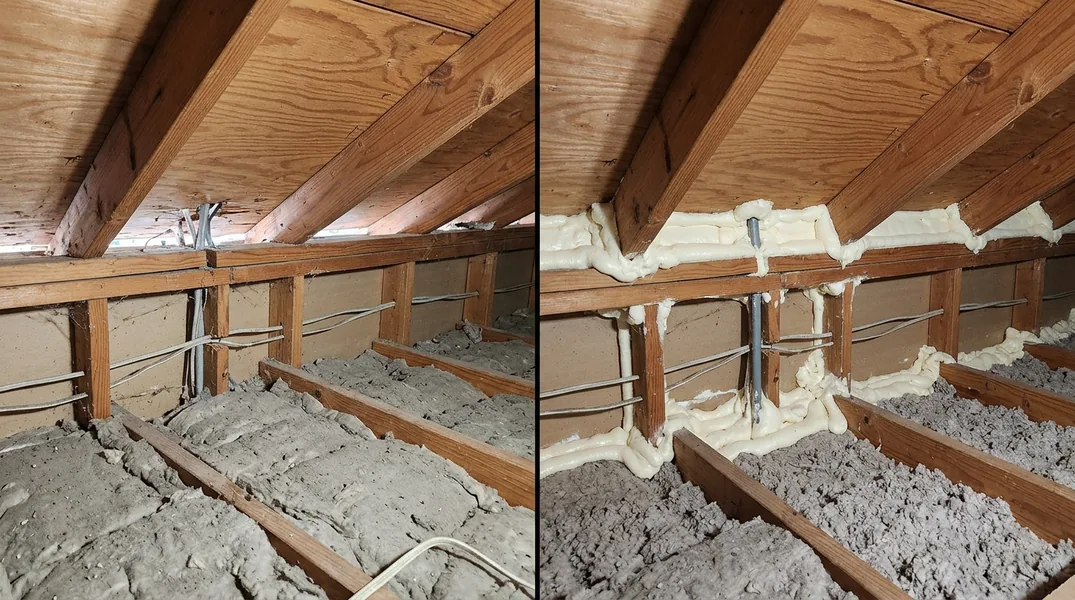
Attic Spray Foam Insulation works differently than traditional materials because it addresses both insulation and moisture control in one application. When spray foam is installed, it expands to fill every crack, crevice, and gap in your attic space. This complete seal is crucial in Climate Zone 2A because it stops humid air from infiltrating your insulation layer. Unlike batts that leave gaps around joists, wiring, and irregular surfaces, spray foam creates a continuous thermal and moisture barrier.
Closed Cell Spray Foam Insulation is particularly effective for humid climates because its cell structure is inherently moisture-resistant. The closed cells don't absorb water the way open-cell foam or fiberglass does. This means your insulation maintains its R-value even when humidity levels spike. Additionally, the air-sealing properties of spray foam reduce the movement of humid air into your attic, which prevents condensation and mold growth before they start. In practical terms, homeowners in Orlando who switch to spray foam often report lower cooling costs, fewer attic moisture problems, and improved indoor air quality.
Crawl Space and Foundation Insulation: The Often-Forgotten Humidity Source
While most attention focuses on attic insulation, many homeowners overlook an equally important moisture source directly below: the crawl space. If your home has a pier and beam foundation or a vented crawl space, you're dealing with direct exposure to ground moisture and outdoor humidity. This moisture naturally rises through your home's structure, and if your crawl space isn't properly sealed and insulated, it makes your cooling system work harder and creates conditions where mold and wood decay thrive. Orlando homes with crawl spaces are especially vulnerable because the warm, humid climate means moisture is constantly present in the soil and air.
Kissimmee and surrounding areas see similar issues. The solution is to treat your crawl space with the same care you'd give your attic. Crawl space spray foam creates a moisture barrier that prevents ground humidity from entering your home. When combined with proper crawl space insulation, spray foam provides the best insulation for crawl space environments. Many homeowners don't realize that uninsulated or poorly insulated crawl spaces can account for 15 to 20 percent of their home's total energy loss. In Climate Zone 2A, where humidity is the primary enemy, addressing your crawl space is just as important as addressing your attic. For pier and beam insulation, spray foam eliminates cold floors and moisture problems simultaneously, making it the preferred choice for Florida homes with raised foundations.
The Cost-Benefit Analysis: Why Spray Foam Makes Sense for Orlando Homeowners
The upfront cost of spray foam insulation is higher than traditional materials, and it's natural to hesitate when comparing prices. However, the long-term value proposition in a humid climate like Orlando is compelling. Spray foam typically lasts 80 to 100 years without degradation, while fiberglass batts need replacement every 15 to 20 years, especially in humid conditions. When you factor in the cost of replacing failed insulation, repairing moisture damage, treating mold, and paying higher energy bills from ineffective insulation, spray foam becomes the more economical choice over the life of your home.
Energy savings alone can justify the investment. Homes in Climate Zone 2A that switch to spray foam insulation often see cooling costs drop by 15 to 30 percent because the air-sealing properties reduce the load on air conditioning systems. You're no longer cooling leaky attics or fighting moisture-related efficiency losses. Additionally, spray foam prevents costly structural damage from mold and wood rot that can require tens of thousands of dollars in repairs. If you're considering insulation upgrades for your home, contact Orlando Spray Foam Insulation at (689) 219-8153 to discuss your specific situation and get a free estimate. Our team can assess your attic, crawl space, and overall moisture situation to recommend the best solution for your home.
Getting Started: Spray Foam Insulation Near Me in Orlando
If you're a homeowner in Orlando or the surrounding areas, the first step is scheduling a professional assessment. A qualified spray foam contractor can evaluate your current insulation, identify moisture problems, and recommend whether Attic Spray Foam Insulation, Open Cell Spray Foam Insulation, or another solution is best for your home. The assessment should include a thorough inspection of your attic, any crawl spaces, and areas where you've noticed temperature problems or moisture issues.
Orlando Spray Foam Insulation has been serving homeowners throughout the region with expert installation and customer-focused service. Whether you need attic insulation, crawl space protection, or Wall & Injection Foam Insulation, our team understands the unique challenges of Climate Zone 2A and knows how to address them effectively. Don't let humidity damage your home's structure or waste your energy dollars. Reach out to us today at (689) 219-8153 or visit our website to schedule your free estimate. Your attic and crawl space will thank you.
Looking for a professional spray foam insulation contractor in Orlando? Orlando Spray Foam Insulation responds fast for all your spray foam insulation needs.
Get a Free Quote