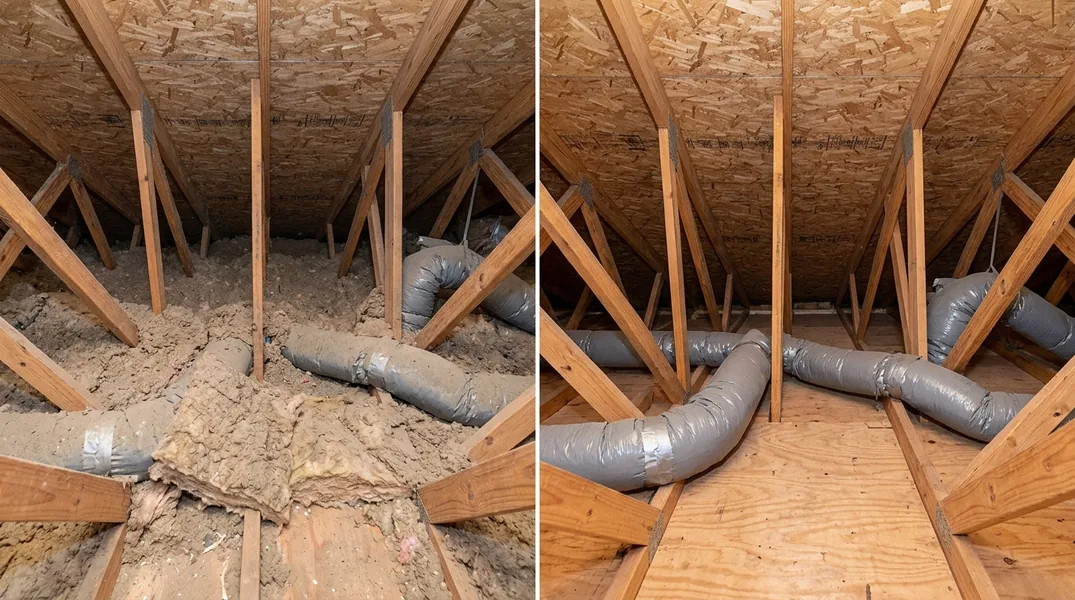
Understanding Spray Foam Permit Requirements in Orlando
Before you invest in Attic Spray Foam Insulation for your home, it's essential to understand the permit requirements in Orlando. Many homeowners assume they can simply hire a contractor and begin work, but spray foam installation typically requires a permit from your local building department. This isn't just red tape, it's a crucial step that protects your investment and ensures your insulation meets safety and building code standards.
The permit process exists for good reasons. When you pull a permit for spray foam insulation work, an inspector will verify that the installation meets Florida's building codes, which include specific requirements for insulation materials, ventilation, and fire safety. Orlando building officials take these regulations seriously because improper insulation installation can lead to moisture problems, mold growth, and reduced energy efficiency. Working with a licensed contractor who understands local permit requirements is your best path forward. If you're ready to move ahead, contact Orlando Spray Foam Insulation at (689) 219-8153 to discuss your project and what permits may be needed.
Open Cell vs. Closed Cell Spray Foam: Which Requires Different Permits?
One of the first decisions you'll face is choosing between Open Cell Spray Foam Insulation and Closed Cell Spray Foam Insulation. While both types serve the same basic purpose of insulating your attic, they have different properties that may affect permit requirements and installation guidelines. Open cell foam is less dense, more flexible, and typically less expensive. Closed cell foam is denser, more rigid, and provides superior moisture and air barrier protection. The type you choose will influence not only your project cost but also how your local building department evaluates your application.
From a permitting standpoint, both types generally require the same basic approval process, but inspectors may have specific questions depending on which you select. Closed Cell Spray Foam Insulation is often preferred in humid climates like Florida because it resists moisture intrusion more effectively. Open cell foam, while still a solid choice for attic applications, is more breathable and allows some moisture movement. Your permit application should clearly specify which type you're installing, along with the contractor's qualifications and the manufacturer's installation specifications. This transparency helps the inspector understand your project scope and ensures everything aligns with local codes.
Spray Foam R-Value Requirements: What Orlando Building Code Demands
The closed cell spray foam R value and overall spray foam R value are central to your permit application. R-value measures thermal resistance, and Florida's building code specifies minimum R-value requirements for attic insulation based on your climate zone. Orlando falls within a specific climate zone that typically requires R-38 to R-49 for attic insulation, depending on whether you're insulating the attic floor or the roof deck. When you submit your permit application, you'll need to specify the R-value your chosen spray foam will achieve at the proposed thickness.
Closed cell spray foam typically delivers an R-value of 6 to 7 per inch, while open cell foam provides approximately 3.5 to 4 per inch. This means you'll need roughly twice the thickness of open cell foam to achieve the same R-value as closed cell. The permit inspector will verify that your installation plan meets or exceeds the code minimum. If you're unsure about the R-value requirements for your specific attic configuration, your contractor should guide you through the calculation. Getting this right during the permit phase prevents costly corrections later and ensures your home will meet energy efficiency standards.
The Step-by-Step Permit Process for Spray Foam Installation
Understanding the actual permit workflow helps you plan your timeline and budget accordingly. The process typically begins with your contractor (or you, if you're pulling the permit yourself) submitting an application to the Orlando building department. This application includes detailed plans showing the attic layout, the type and thickness of spray foam to be installed, the R-value to be achieved, and the contractor's license information. The building department reviews the application to ensure it complies with local codes and may request clarifications or modifications before approval.
Once your permit is approved, you'll receive a permit number and can schedule the installation. After the work is complete, you'll need to request a final inspection. The inspector will visit your attic, verify that the spray foam was installed according to the approved plans, check the thickness and coverage, and confirm that ventilation (if required) is properly maintained. Only after passing final inspection can you consider the project officially complete. The entire process, from application to final inspection, typically takes two to four weeks, though timelines vary. Checking with the building department before work starts simplifies this process significantly.
Attic Spray Foam Insulation Cost in Orlando: What to Budget
Permit costs are just one component of your overall project budget. When planning your Attic Spray Foam Insulation project, you'll need to factor in the permit fee itself, which typically ranges from $100 to $300 in Orlando, plus the cost of the materials and labor. The pricing for spray foam insulation varies based on your attic size, the type of foam you choose, and the R-value target. Closed cell foam costs more per square foot than open cell, but you'll need less of it to achieve your desired R-value. Open cell foam is more economical upfront but requires greater thickness for equivalent performance.
To get an accurate picture of what your project will cost, request a free estimate from Orlando Spray Foam Insulation. A professional assessment of your attic will reveal the exact square footage, any existing insulation to remove, and the most cost-effective approach for your home. The estimate should include all permit and inspection fees so you're not surprised by hidden costs. While spray foam is typically more expensive than traditional fiberglass insulation, most homeowners recover the investment through reduced energy bills within five to seven years. In Florida's hot climate, where air conditioning costs dominate utility bills, superior insulation makes a measurable difference.
Common Permit Mistakes to Avoid
Many homeowners and even some contractors make preventable mistakes when pulling spray foam permits. One of the most common errors is failing to pull a permit at all, assuming the work is too minor to require one. This creates problems when you sell your home, as the unpermitted work may need to be disclosed or corrected. Another mistake is submitting incomplete applications with vague specifications about the foam type, thickness, or R-value. This delays approval and may require resubmission. Always provide detailed, accurate information and let your contractor handle the technical specifications if you're uncertain.
A third common pitfall is choosing a contractor who isn't properly licensed or insured. When you pull a permit, the building department verifies the contractor's credentials. An unlicensed contractor may not be able to pull the permit at all, or worse, the work may be rejected during inspection. Additionally, some homeowners neglect to schedule the final inspection, leaving their project incomplete from a code compliance perspective. This can affect your homeowner's insurance coverage and create issues if you ever need to file a claim related to water damage or other problems. By working with Orlando Spray Foam Insulation and taking the permit process seriously, you avoid these pitfalls and ensure your insulation project is done right. Call (689) 219-8153 today to discuss your needs with our team.
Looking for a professional spray foam insulation contractor in Orlando? Orlando Spray Foam Insulation responds fast for all your spray foam insulation needs.
Get a Free Quote